



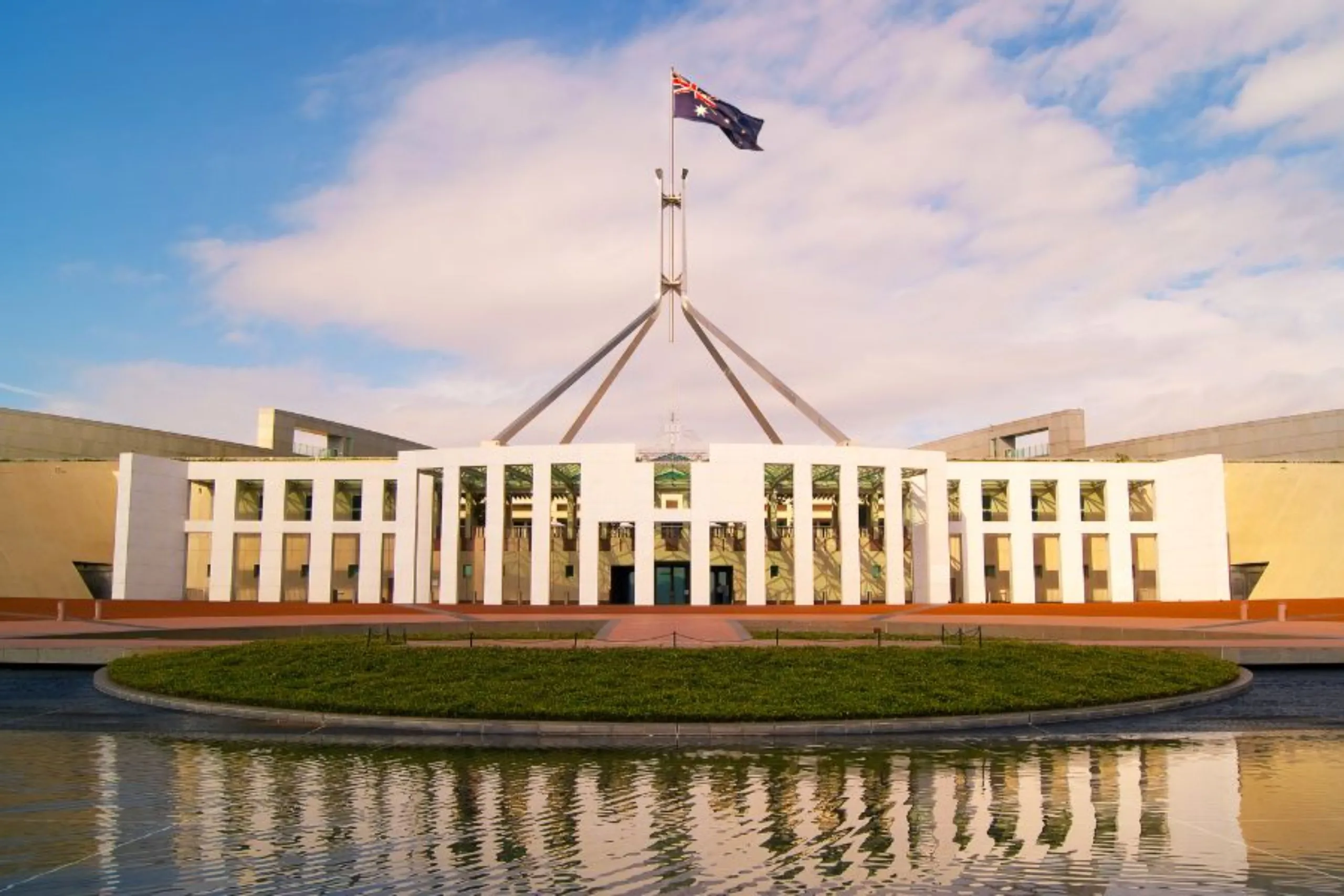


What You Should Know About the Australia Immigration Department Before You Apply
If you’re planning to move, study, or travel to Australia, understanding how the Australia immigration department operates can make your application process smoother.
The Department of Home Affairs is responsible for managing visa applications, border protection, and immigration services.
Before you lodge your application, it’s important to understand how the process works, the types of visas available, and what’s expected of you as an applicant.
This guide walks you through the key aspects of the immigration process so you can prepare with clarity and confidence.
Understanding the Role of the Australia Immigration Department
The Australia immigration department oversees all visa-related services, from visitor visas to skilled migration and permanent residency. It ensures that all applications comply with immigration laws and assesses each application based on eligibility, risk, and completeness.
You will typically interact with the department through the ImmiAccount, an online portal where you can submit applications, upload documents, and track your progress. For most visa types, online application is preferred and often processed faster than paper-based submissions. However, some subclasses still allow or require paper applications.
Key takeaway: Familiarise yourself with ImmiAccount and check if your visa type must be lodged online or on paper to avoid delays.
Choosing the Right Visa Type
Australia offers a wide range of visa options, including visitor, student, work, partner, and permanent visas. Choosing the wrong visa or applying under the incorrect stream could lead to rejection or longer wait times.
For example, the Visitor visa (subclass 600) has multiple streams, such as Tourist, Sponsored Family, and Business Visitor. Each has different requirements and expectations.
Before applying, review your eligibility based on your purpose of travel, duration of stay, and personal circumstances.
The immigration department provides detailed guidance and tools to help you find the right visa pathway, but it’s still your responsibility to make sure your application aligns with the correct category.
Key takeaway: Match your visa choice with your exact intentions in Australia to avoid complications during processing.
What You’ll Need to Prepare
Each visa application will require different documents, but some of the most common include a valid passport, proof of funds, health insurance, identity documents, and supporting evidence relevant to the visa type.
Some applications might also require health checks, biometrics, or police clearance certificates.
You will also need to pay a visa application fee, which varies depending on the subclass. Fees are generally non-refundable even if your application is refused. Make sure you understand what’s required for your specific visa before you submit anything.
Key takeaway: Prepare all documents carefully before submission to prevent unnecessary processing delays or rejections.
Processing Times and What to Expect
Visa processing times can vary widely depending on the visa subclass, your personal circumstances, and how complete your application is.
While some visitor visas may be processed in a few weeks, others, like skilled migration visas or partner visas, can take several months or more.
You can track general processing times on the department’s website, but keep in mind these are only estimates. Delays can happen if your application is incomplete, if additional documents are needed, or if background checks take longer.
Key takeaway: Apply early and be prepared for waiting times that may be longer than expected, especially for complex visas.
Common Pitfalls to Avoid
Many applicants delay or jeopardise their visa outcomes by submitting incomplete forms, uploading incorrect documents, or failing to respond to requests from the immigration department in time.
Others apply for a visa without understanding their obligations, such as the need to maintain valid health insurance or abide by work restrictions while on a student visa.
It’s also important to avoid relying on outdated information from forums or unofficial websites. Visa regulations and requirements can change quickly.
Key takeaway: Always read and follow current guidance directly from the department and respond promptly to requests for additional information.
Navigating Australia’s immigration system doesn’t have to be overwhelming. The key is to do your research, choose the right visa stream, and stay organised throughout the application process. The Australia immigration department provides the tools you need, but it’s up to you to use them wisely.
